
Here is something worth saying upfront: the debate over whether wheel spacers are safe is mostly a debate about which kind of wheel spacers people are buying. A hub-centric spacer machined from aerospace aluminum and installed with a torque wrench is a very different object from a cast lug-centric puck pulled from a bulk listing with no certifications and no CB spec. Lumping them together is like saying hammers are dangerous because some people own bad ones.
We see both ends of this spectrum from our factory floor in Ningbo. We know what separates a product we would confidently put on our own vehicles from one we would not. That is what this guide is built around — not a generic safety disclaimer, but the actual variables that determine whether a wheel spacer performs well or fails.
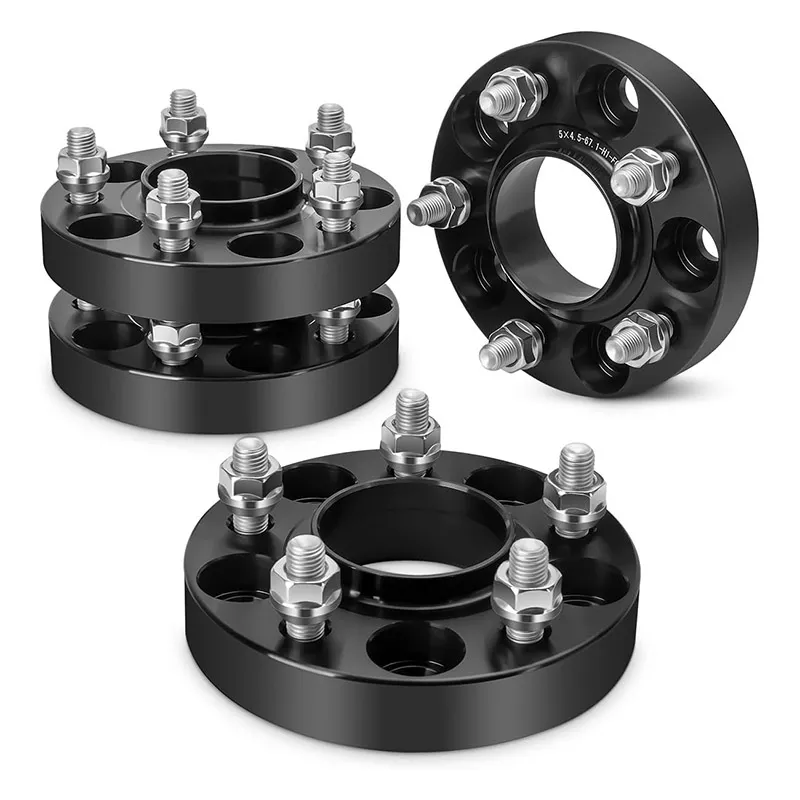
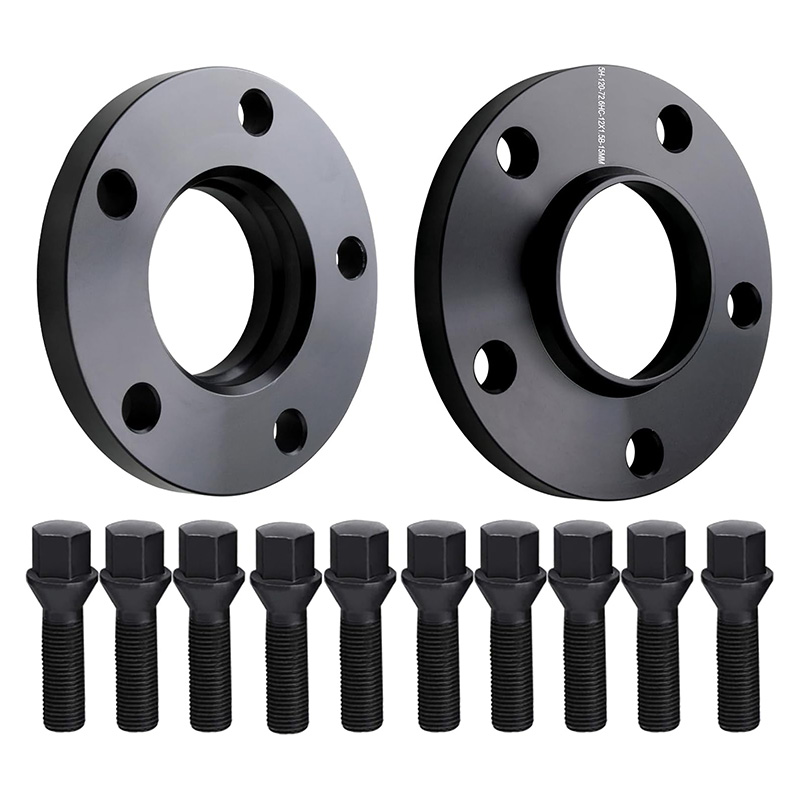
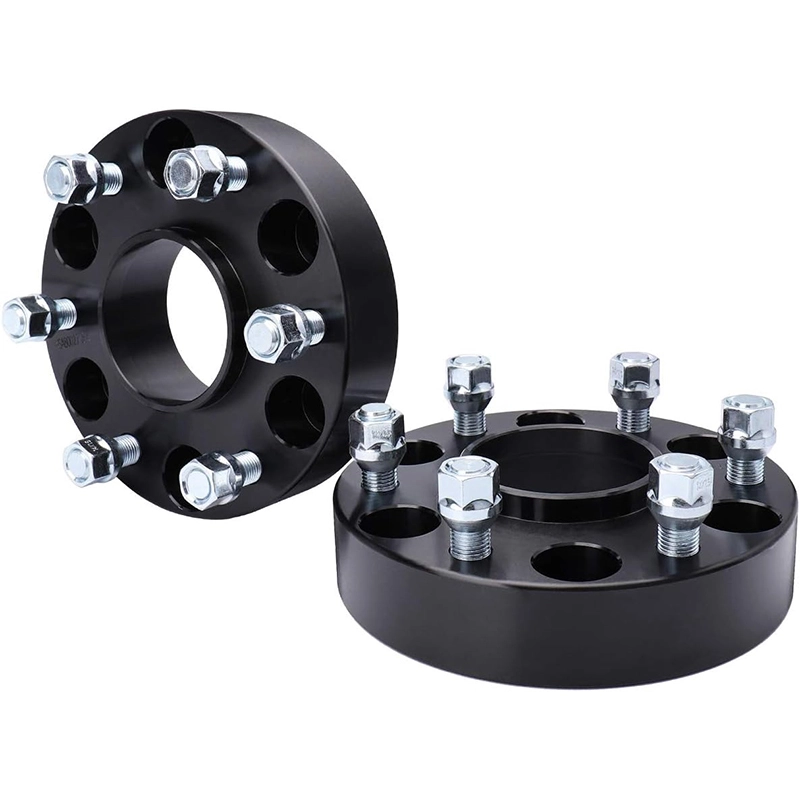
A wheel spacer sits between the hub face and the back of the wheel, pushing the wheel outward by a fixed amount. Where it gets more interesting is when a spacer also changes the bolt pattern — at that point it becomes a wheel spacer adapter, and it opens the door to running wheels designed for a completely different vehicle.
People fit them for a handful of reasons. Brake clearance is one of the most practical — when you upgrade to larger calipers, there often just is not enough room behind a stock wheel. Stance is another: getting the wheel to sit flush with the fender rather than recessed inside the arch. And cross-vehicle fitment is common in the truck and off-road world, where someone wants to run wheels from a different model without buying a whole new set.
None of these are unreasonable goals. What determines whether the spacer is safe to achieve them is almost entirely about the engineering behind the product itself.
If you take one thing from this entire article, make it this: hub-centric and lug-centric spacers are not interchangeable, and mixing up the two is where most spacer safety problems begin.
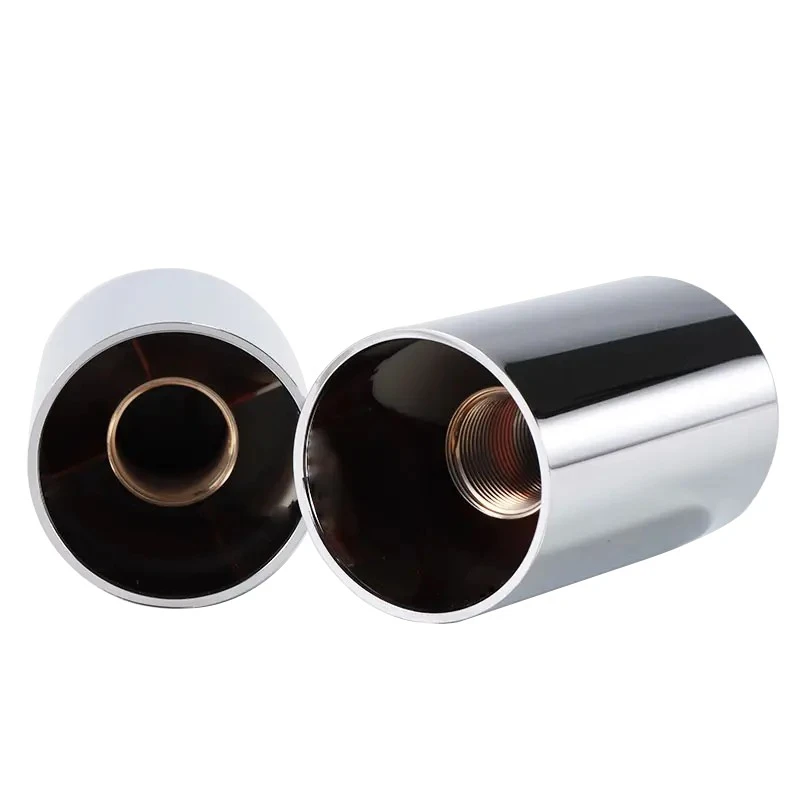
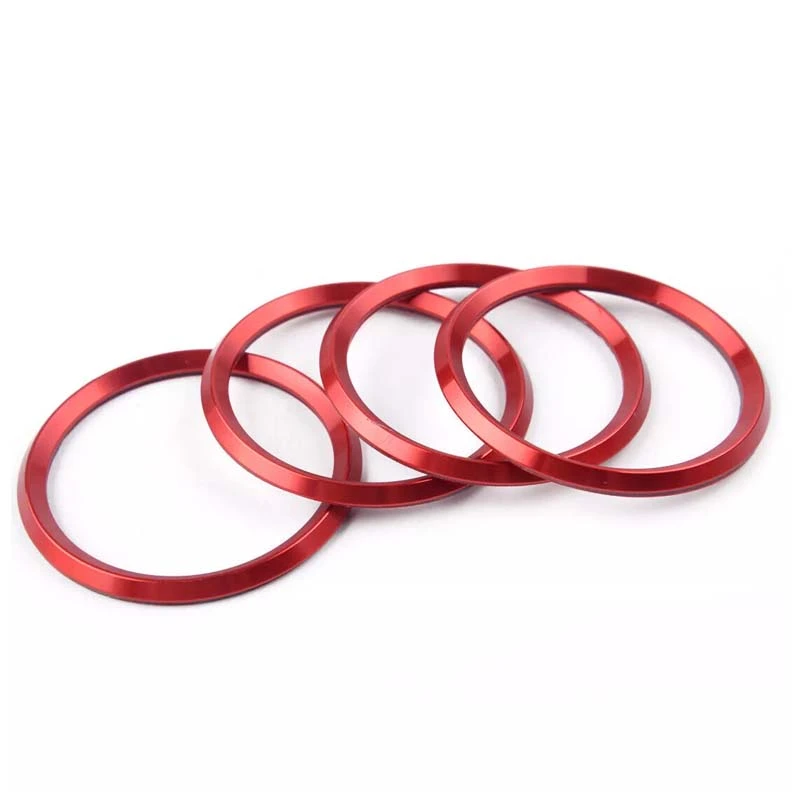
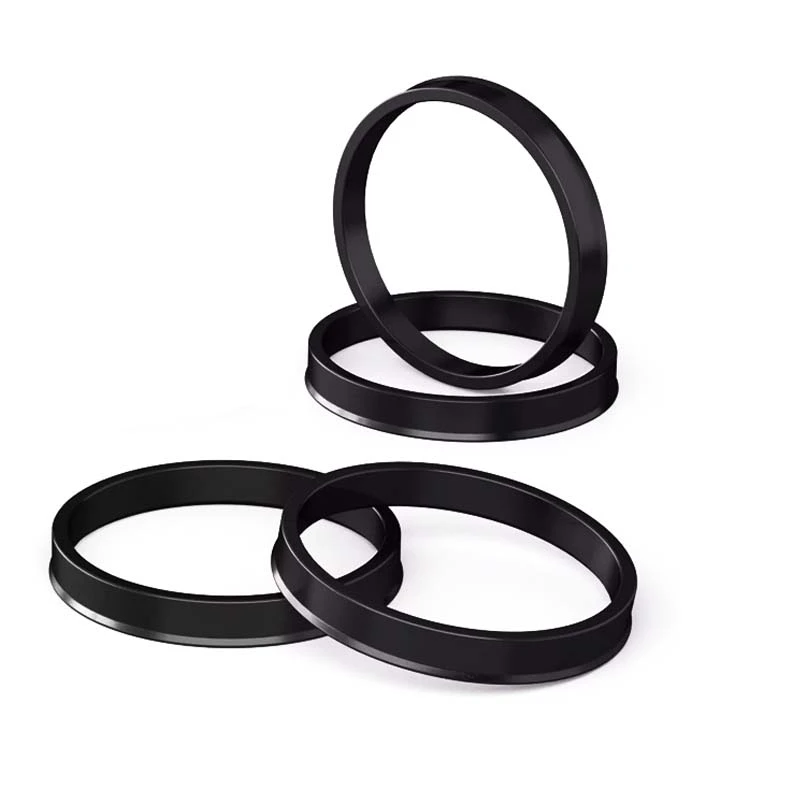
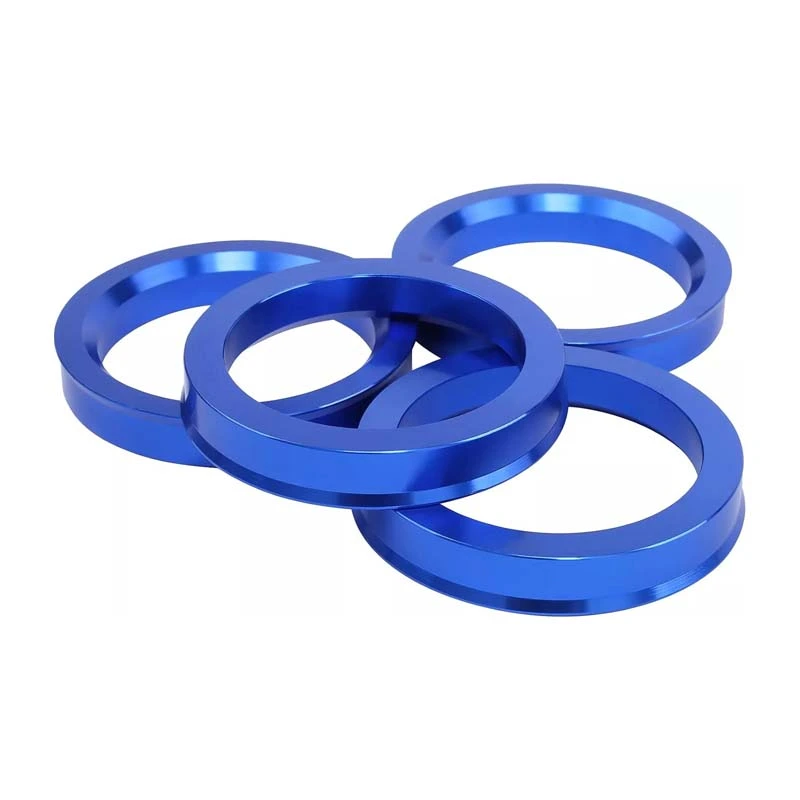
A hub-centric spacer has a center bore machined to match your vehicle's hub diameter precisely — that number is called the CB, or Center Bore value. When you bolt it on, the spacer registers directly against the machined shoulder of the axle hub. That contact point carries the lateral load. The lug nuts are doing what they are designed to do — clamping — not compensating for something that is not centered.
This is identical to how your factory wheels work. OEM wheels are hub-centric for exactly this reason. No vibration, no uneven load, no extra stress on the studs.
A lug-centric spacer has a center bore larger than your hub. In theory, if every lug nut is torqued perfectly and stays that way, the wheel stays centered. In the real world — after thermal cycles, road bumps, and a few months of driving — that ideal gradually drifts. You end up with the classic symptoms: a mild vibration at highway speeds that was not there before, gradually accelerating wheel bearing wear, and in the worst cases, stud fatigue.
Quick check when shopping: A listing that gives one spacer for wildly different vehicles is almost certainly lug-centric. Hub-centric spacers are specified by exact CB dimension. If the CB spec is not listed, keep looking.
|
Feature |
Hub-Centric |
Lug-Centric |
|
How the wheel is centered |
Hub bore register (same as OEM) |
Lug nuts only |
|
Vibration risk at speed |
Very low when correctly fitted |
Moderate to high over time |
|
Bearing wear |
Normal — load path unchanged |
Accelerated under lateral stress |
|
Daily driving suitability |
Yes |
Not recommended |
|
What to look for on spec sheet |
CB dimension matched to vehicle |
Often listed as "universal fit" |
Yes — properly specified hub-centric wheel spacers are safe for daily use. This is not manufacturer optimism; it reflects what TÜV Rheinland actually tests for when certifying a spacer. Their process involves dynamic load cycles, bending moment analysis, and fatigue testing that simulate years of real-world driving. A product that passes does not just pass on paper.
That said, a few practical habits matter more than most people realize:
• Re-torque after the first 50 miles. New spacers settle as they seat under load and heat. Correcting the torque afterward is the single most important step for long-term reliability. Put a reminder in your phone. It takes five minutes.
• Choose thickness with purpose. A 12mm spacer on a sedan for brake clearance is a very different engineering scenario from a 40mm spacer on a lifted truck. Both can be done safely — but they are not equivalent.
• Make it part of your seasonal routine. Checking spacer torque during a tire rotation takes almost no extra time. Most people who run spacers for years without issue are the ones who do this.
The failures worth reading about online share a common thread: lug-centric spacers, mismatched specs, and skipped re-torques. Remove those three from the picture and the risk profile changes substantially.
Quality spacers come from billet aluminum — CNC-machined from solid bar stock, not poured into a mold. The two alloys you will encounter in reputable products are 6061-T6 and 7075-T6.
• 6061-T6: Standard material for the bulk of our range. Tensile strength around 310 MPa, excellent corrosion resistance, proven across decades of motorsport and aftermarket use. The right choice for passenger cars, SUVs, and light trucks.
• 7075-T6: Around 80% higher tensile strength (~570 MPa). The right call for serious off-road builds, track vehicles, and heavy-load applications. Costs more to machine and harder to anodize uniformly.
• Cast aluminum — avoid entirely: Cast spacers have internal voids and grain inconsistencies that billet parts do not. Under cyclic stress those inconsistencies develop into cracks that are invisible on the surface until failure.
• TÜV Rheinland / TÜV SÜD: German third-party testing organizations. TÜV certification requires physical testing — dynamic load cycles at multiples of rated capacity, not just material analysis. Every valid certificate has a traceable report number. If a supplier cannot provide one, they are not certified.
• SGS: The world's largest inspection and certification group, headquartered in Switzerland. SGS testing covers material composition, dimensional accuracy, and mechanical performance. Recognized by customs agencies across Europe and North America.
For JUNWEI certification documentation, visit our Our Strength page.
The right spacer thickness is not the thickest one that physically bolts on — it is the minimum that achieves your goal. Every millimeter you add increases the bending moment on the wheel bearing and stub axle.
Thickness
Typical Application
What to Check
5–12mm
Brake caliper clearance; minor offset correction
Thread engagement on existing studs; standard lug nuts usually sufficient
15–25mm
Flush wheel fitment; wider track for SUVs/trucks
Stud protrusion past spacer face — minimum 1× stud diameter
25–40mm
Aggressive builds; larger tires; off-road applications
Extended studs typically required; verify wheel-well clearance
40mm+
Full bolt-pattern adapter builds; extreme custom builds
Bearing load calculation recommended; professional fitting advised
For every 10mm of spacer thickness, you extend the wheel's moment arm by that amount — the same geometry that makes a longer wrench easier to turn. For most daily drivers, staying under 25mm keeps you safely within stock suspension and bearing specifications.
Browse by lug count: 4 Lug Adapters · 5 Lug Adapters · 6 Lug Adapters
In our experience, installation errors are responsible for far more problems than product defects — by a wide margin. These are the specific mistakes we hear about most consistently, usually after something has already gone wrong.
Your vehicle's original wheel torque is not the same as the spacer's lug nut torque. Spacer manufacturers publish their own specs — typically 80–120 ft-lb for passenger car applications — and those are the numbers to follow. Use a proper torque wrench. Impact guns are for removal, not final installation.
Drive 50–100 miles, then check your torque. When a spacer first goes on, the joint settles as surfaces mate under load and heat. A small loss of preload at this stage is normal — it only becomes a problem if no one corrects it. This single step catches almost every issue before it becomes a real one.
Rust scale, old anti-seize residue, or road grit between the hub face and the spacer creates an uneven seating plane. The spacer may appear flush while actually sitting at a slight angle. Clean all mating surfaces with a wire brush before installation. A thin coat of copper anti-seize on the hub register is fine — keep it off the wheel contact face and lug nut seats.
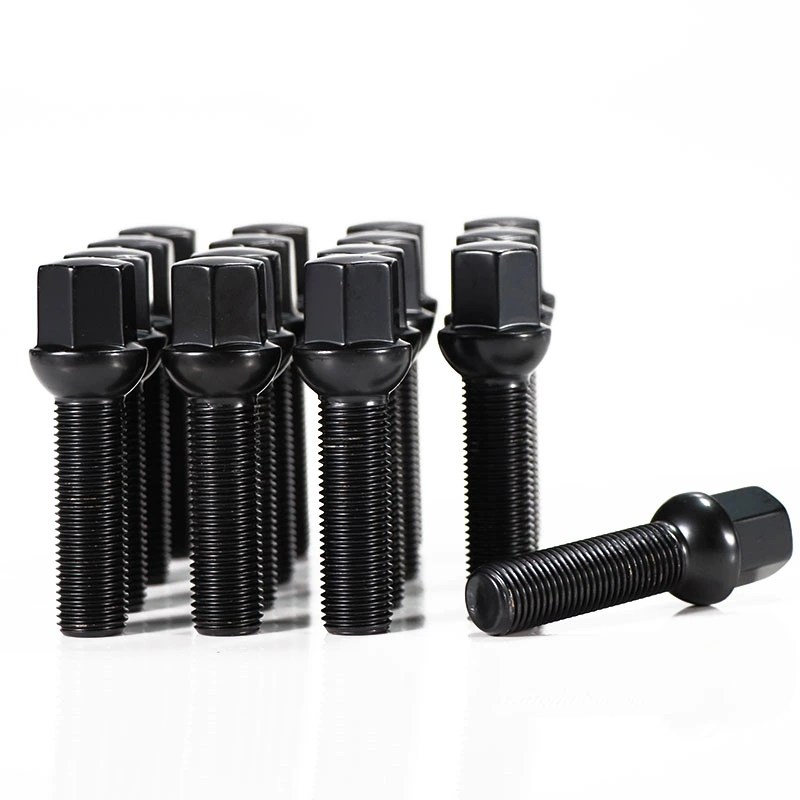
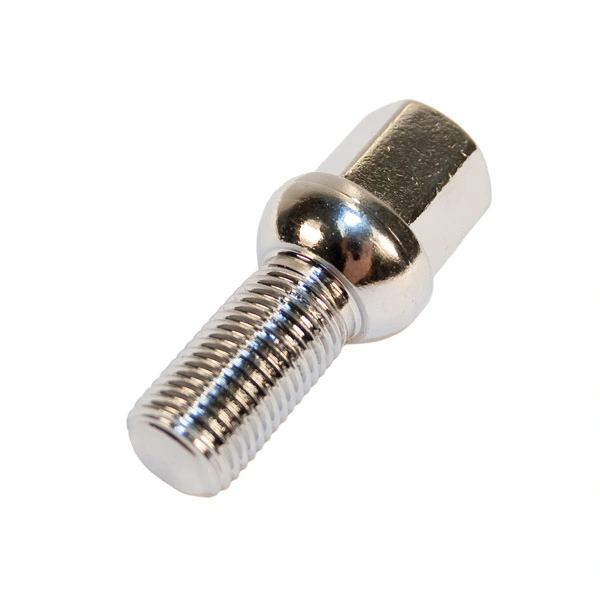
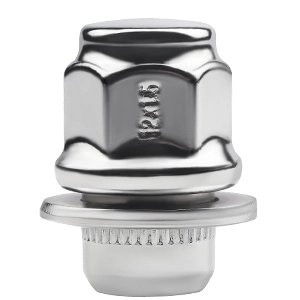
When a spacer goes on, your original hub studs sit recessed behind the spacer face. The spacer's own studs need to engage enough thread into the wheel. Industry minimum is one full stud diameter — so a 12mm stud needs at least 12mm of engagement into the wheel's lug holes. Count the visible threads. If it looks marginal, it is.
A 5×114.3 spacer on a 5×100 hub will partially engage and appear seated without being fully secure. Always confirm the PCD, CB, and thread pitch against your specific vehicle's hub specs — not the model's general specs, but your exact year and trim, since these can vary between production runs.
Whether wheel spacers are legal depends on where you are — sometimes on what state or province you are in, occasionally on your vehicle type. Here is a practical summary for the markets we supply most often:
|
Region |
Status |
Key Points |
|
United States |
Legal in all 50 states |
No federal restriction; some states (CA, FL, NY, TX, IL) require wheels not to protrude beyond the fender line |
|
United Kingdom |
Legal |
Wheels must clear suspension and bodywork; TÜV and SGS certifications respected at MOT |
|
Germany |
Conditional |
Requires ABE (Allgemeine Betriebserlaubnis) or vehicle-specific TÜV entry on the registration document |
|
Australia |
State-dependent |
Protrusion beyond the wheel arch restricted in most states; engineering certificate may be required above certain widths |
|
Canada |
Generally legal |
Must not impair safe vehicle operation under Provincial Highway Traffic Acts |
When they are hub-centric, made from billet 6061-T6 or 7075-T6 aluminum, and fitted at correct torque — yes, genuinely safe for everyday use. The provisos are real fitment to your vehicle's specific PCD and CB, proper installation torque, and a re-torque check after the first 50–100 miles. Skip any of those and you introduce unnecessary risk regardless of how good the spacer is.
Hub-centric spacers seat against the hub bore register, so the hub carries lateral loads — identical to how factory wheels work. Lug-centric spacers have an oversized bore and depend on lug nuts to center the wheel. Under sustained road use, that reliance leads to subtle misalignment, vibration, and faster bearing wear. It is not a minor distinction — it is the primary variable that separates safe spacers from problematic ones.
Always the minimum that achieves your purpose. For most passenger cars, that falls between 5mm and 25mm. Beyond 25mm you will typically need extended wheel studs; beyond 40mm, a proper load calculation is not optional. Choosing the thickest spacer you can fit is not the right approach — choosing the thinnest one that solves your specific problem is.
They do, and often positively. Pushing the wheels outward widens the vehicle's track, reducing body roll and improving lateral stability in corners. Very thick spacers can affect steering feedback and throw off factory alignment specs, so getting a four-wheel alignment after installation is recommended for anything above about 20mm.
Nine times out of ten: lug-centric spacers, incorrect CB, or a torque issue. A hub-centric spacer with the correct center bore, properly torqued, adds zero vibration. Check your torque first and re-torque if needed. If vibration persists, look at whether the spacer's CB matches your hub diameter. If you are not sure what the CB spec is on your spacer, that is the root problem.
In the US, UK, Canada, and most of Europe — yes. Germany requires documented approval (ABE or TÜV entry). Australia varies by state. Anywhere that runs vehicle inspections, a TÜV or SGS certificate in hand is far better than arriving without documentation and hoping for the best.
Wheel spacers have a safety reputation problem that is mostly borrowed from cheap, lug-centric, cast-aluminum products flooding the low end of the market. A proper hub-centric spacer — billet aluminum, matched CB, correct PCD, TÜV or SGS certified — does not share that reputation for good reason. It is a different product.
The checklist is genuinely short: hub-centric design, the right alloy (6061-T6 or 7075-T6), a CB spec matched to your exact vehicle, documented certification, and a torque wrench at installation. Re-torque after 50 miles. Check it twice a year.
Everything else in the "are wheel spacers dangerous" conversation is mostly about what happens when one of those variables gets ignored — usually the hub-centric part, usually the re-torque.